We're Hiring — Build Your Career With Polestar →


Repair vs. Replacement: Should You Upgrade Your Failing AC Before Next Summer In Kansas City?



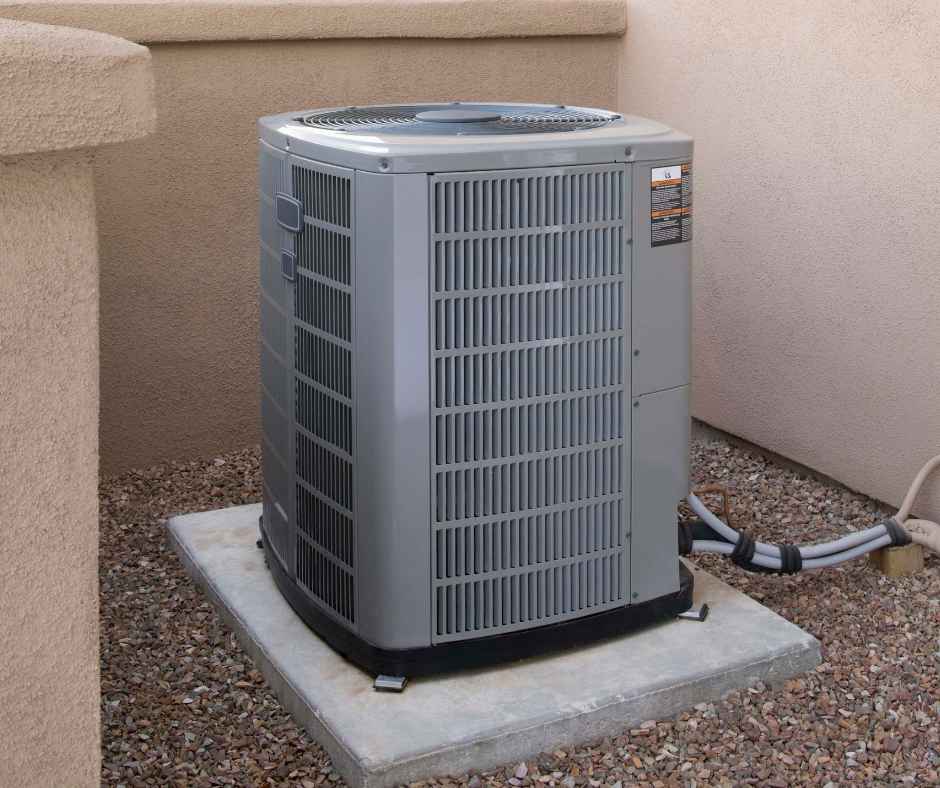
If your air conditioner struggled through another Kansas City summer, needed multiple repairs, ran constantly, or still left parts of your home uncomfortable, it may be time to take a closer look at the system before next season arrives. The off-season gives homeowners a chance to decide without the pressure of a mid-summer breakdown.
The right choice is not always obvious. Some AC problems are worth repairing, while others are signs that continued investment in an aging system may no longer make financial or practical sense.
In this guide, we’ll explain how to compare AC repair and replacement, which warning signs matter most, how age and repair history should factor into the decision, and why planning ahead can make the process easier. We’ll also cover what to consider if you decide to replace your system before next summer.
What Are the Signs Your AC May Be Nearing the End of Its Useful Life?
An aging AC does not automatically need replacement, but declining performance often shows up in several ways at once. The more warning signs you notice, the more important it is to evaluate the system as a whole.
Common signs include:
- Frequent repairs
- Long run times
- Uneven cooling
- Weak airflow
- Higher energy use
- Unusual noises
- Difficulty maintaining the thermostat setting
- Increasingly unreliable operation
One symptom alone may point to a repairable problem. Several recurring issues can indicate that the system is becoming less dependable and more expensive to keep running.
When Does AC Repair Still Make Sense?
Repair may still be the better choice when the problem is isolated and the rest of the system is in good condition. A failed capacitor, thermostat issue, clogged drain, dirty coil, or minor electrical problem does not automatically justify replacement.
Repair may make sense when:
- The system has been reliable
- Repairs have been infrequent
- Cooling performance is otherwise strong
- The repair cost is reasonable
- Major components are still in good condition
- The current problem is clearly defined
A professional diagnosis can help determine whether the issue is a one-time failure or part of a larger pattern. That distinction is important before investing more money in an older system.
When Does AC Replacement Make More Sense?
Replacement becomes more practical when repairs become frequent, major components fail, or the system no longer provides dependable comfort. At that point, another repair may only delay a larger expense.
Replacement may be worth considering when:
- Breakdowns happen repeatedly
- Cooling performance keeps declining
- Major components need expensive repairs
- The system is unreliable during peak heat
- Energy use is rising
- Comfort problems continue after service
- Repair costs are becoming difficult to justify
The best decision should consider expected future reliability, not just today’s repair cost.
How Much Should AC Age Affect the Decision?
Age is an important factor, but it should not be the only one. Two systems of the same age can be in very different condition depending on maintenance history, usage, installation quality, and repair history.
An older system may still be worth repairing if it has been dependable and the current issue is minor. Replacement becomes more compelling when age is combined with repeated breakdowns, poor efficiency, or major component problems.
Instead of focusing on age alone, look at:
- Current condition
- Repair history
- Performance
- Reliability
- Energy use
- Expected future repairs
That provides a much better picture of whether the system still has useful life left.
Can Rising Energy Bills Mean Your AC Is Losing Efficiency?
They can, but higher utility bills do not automatically prove the AC is failing. Hotter weather, thermostat settings, duct leakage, insulation problems, and household usage can all increase cooling costs.
An aging or struggling system can still contribute to higher energy use, especially if it runs longer than it used to. If bills rise alongside declining comfort or longer cycles, the AC deserves a closer look.
Watch for patterns such as:
- Longer run times
- More frequent cycling
- Higher bills without major lifestyle changes
- Uneven cooling
- Reduced airflow
- More repair calls
Evaluate the system and the home together rather than blaming one monthly bill on the AC alone.
Why Does an AC That Runs Constantly Matter?
An AC may run for long periods during extreme Kansas City heat, especially on the hottest afternoons. Long operation alone isn’t always a problem if the system maintains the thermostat setting and keeps the home comfortable.
Concern is more justified when the AC runs nearly nonstop and still cannot keep up. Possible causes include:
- Dirty filters
- Restricted airflow
- Dirty coils
- Refrigerant problems
- Duct leakage
- Poor insulation
- Undersized equipment
- Aging components
A system that runs continuously without maintaining comfort may be working harder than it should.
Should Frequent Repairs Push You Toward Replacement?
Frequent repairs are one of the strongest reasons to reevaluate an older AC. One repair may be reasonable, but repeated failures can signal broader decline.
Look at the pattern rather than one invoice. If different components are failing every season, the system may be becoming less reliable overall.
Ask:
- How many repairs have happened recently?
- Are the repair costs increasing?
- Is the system still comfortable after repairs?
- Are major components starting to fail?
- Do you trust the AC to make it through another summer?
If the answer to the last question is no, replacement may deserve serious consideration.
What If Your AC Uses an Older Refrigerant?
Refrigerant type can be another factor in the repair-versus-replacement decision. Some older systems use refrigerants that may be harder or more expensive to service than newer equipment.
That does not mean an older-refrigerant system automatically needs replacement. The right choice depends on the type of repair, whether a leak is present, the system’s condition, and the availability of compatible service options.
If the system has a significant refrigerant leak alongside other age-related problems, replacement may be more practical than continuing to invest in repairs.
Can Poor Airflow or Duct Problems Make a Good AC Look Bad?
Yes. A system can appear to be failing when the real problem is how conditioned air moves through the home.
Potential airflow problems include:
- Dirty filters
- Blocked returns
- Closed vents
- Duct leaks
- Damaged ductwork
- Blower problems
- Poor duct balance
These issues can create hot rooms, weak airflow, long run times, and higher energy use. Evaluate them before assuming the AC needs replacement.
How Do You Know if the AC Is Properly Sized?
Proper sizing plays a major role in comfort and efficiency. An undersized system may struggle to keep up, while an oversized system may cycle too quickly and fail to control temperature and humidity evenly.
An undersized AC may:
- Run constantly
- Fall behind on hot days
- Struggle in certain rooms
An oversized AC may:
- Short cycle
- Create temperature swings
- Control humidity poorly
- Experience unnecessary wear
Select replacement equipment based on the home’s actual cooling needs rather than automatically matching the old unit’s size.
Can a New AC Improve Comfort as Well as Efficiency?
Yes, a properly selected and installed system may improve more than energy efficiency. Newer equipment can also provide steadier temperatures, better airflow, quieter operation, and improved humidity control depending on the system.
Potential comfort benefits include:
- More consistent room temperatures
- Better airflow
- Quieter operation
- Improved humidity management
- Variable-speed operation on some systems
Those benefits depend heavily on proper sizing, ductwork, and installation quality. High-efficiency equipment alone cannot correct poor system design.
Why Is the Off-Season a Good Time to Replace an AC?
Replacing an AC before summer gives you more time to make a planned decision. Waiting until the system fails during extreme heat can make the process feel rushed.
Planning ahead may give you time to:
- Compare repair and replacement options
- Evaluate ductwork
- Review efficiency levels
- Address electrical needs
- Compare equipment types
- Plan installation
- Avoid an emergency decision
This can be especially helpful if the AC already showed signs of decline last summer.
What Should You Compare Before Choosing a New AC?
A replacement system should match the home, not just replace the old equipment with a similar model. Several factors can affect comfort, efficiency, and long-term performance.
Consider:
- Proper sizing
- Efficiency rating
- Duct compatibility
- Thermostat controls
- Electrical requirements
- Variable-speed features
- Warranty coverage
- Installation quality
- Budget
The installer should evaluate the entire cooling system, not just the outdoor condenser.
Should You Consider a Heat Pump Instead of Another AC?
Possibly. A heat pump can provide both cooling and heating, which may make it worth considering when replacing major HVAC equipment.
A heat pump may appeal to homeowners who want:
- One system for heating and cooling
- Energy-efficient operation
- Less reliance on separate heating equipment
- A broader HVAC upgrade
The right choice depends on your existing heating system, home layout, electrical capacity, comfort preferences, and budget. A professional can help compare a traditional AC replacement with a heat pump option.
Plan Your Next AC Move With Polestar Plumbing, Heating & Cooling
An AC that struggled through another Kansas City summer doesn’t automatically need replacement, but repeated repairs, declining comfort, rising energy use, and poor reliability shouldn’t be ignored. The off-season is a good time to evaluate the system and decide whether repair still makes sense or whether replacement is becoming the better long-term option.
Polestar Plumbing, Heating & Cooling can inspect your cooling system, identify the cause of performance problems, and help you compare repair, replacement, and heat pump options. If your AC is becoming less reliable and you want to prepare before next summer, contact us today to schedule professional HVAC service.

Let Us Guide You To Home Comfort
Plumbing, heating, or cooling trouble can disrupt your day fast. Polestar offers same-day service backed by 24/7 answering, so you can get the help your home needs when problems arise.