We're Hiring — Build Your Career With Polestar →



Hard Water Woes: How Local Mineral Content is Shortening the Life of Your Water Heater



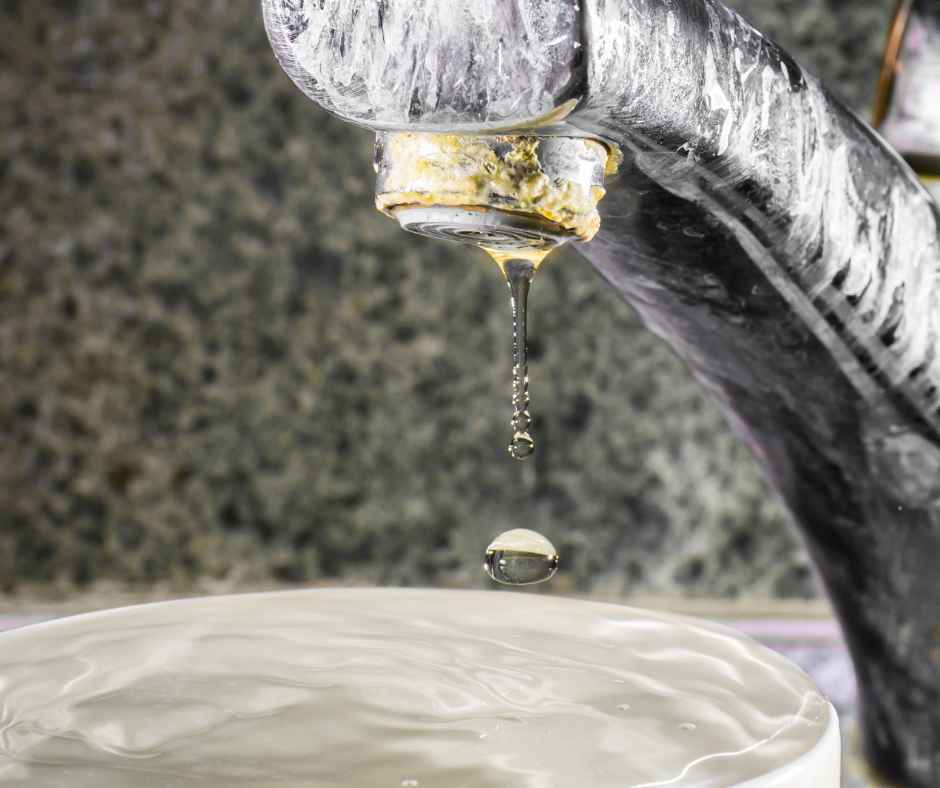
Hard water shortens the life of your water heater by leaving calcium and magnesium minerals behind as sediment and scale. Over time, that buildup can reduce efficiency, cause popping or rumbling noises, lower hot water capacity, damage heating components, increase energy use, and lead to earlier water heater replacement.
Hot water is something most homeowners only think about when it stops working. But if your water heater is noisy, slow to recover, running out of hot water, or needing more frequent repairs, the problem may not be the unit alone. Local mineral content in your water may be wearing it down from the inside.
In this guide, we will explain how hard water affects your water heater, what warning signs to watch for, and when to call Polestar Plumbing, Heating & Cooling for professional guidance on water heater maintenance, repair, or replacement.
What Is Hard Water?
Hard water is water that contains higher levels of dissolved minerals, especially calcium and magnesium. These minerals enter the water naturally as it moves through soil and rock before reaching your home.
Hard water is not always obvious when it comes out of the faucet. It may look clear, taste normal, and seem harmless. The problem is what happens over time when that water is heated, stored, and used throughout your plumbing system.
Common signs of hard water include:
- White scale around faucets
- Spots on dishes and glassware
- Cloudy shower doors
- Dry-feeling skin or hair
- Soap that does not lather well
- Stiff laundry
- Clogged showerheads
- Mineral buildup on fixtures
- Water heater noises
- Frequent appliance issues
If you see scale on faucets or showerheads, similar buildup may be forming inside your water heater.
Why Water Heaters Are Hit Hardest by Mineral Content
Your water heater is one of the most vulnerable appliances in the home because it heats and stores water every day. Heat causes minerals to separate from the water more easily. In a tank water heater, those minerals settle at the bottom as sediment. In a tankless water heater, mineral scale can collect inside narrow internal passages and heat exchanger components.
Hard water can affect water heaters by causing:
- Sediment buildup
- Scale formation
- Reduced heating efficiency
- Longer recovery times
- Less usable hot water
- Noisy operation
- Extra strain on components
- More frequent repairs
- Shorter system lifespan
A new water heater may work well at first, but without maintenance, mineral buildup can gradually reduce performance and shorten its service life.
How Sediment Builds Up Inside a Tank Water Heater
In a traditional tank water heater, water sits in the tank until it is needed. When hard water is heated, minerals settle to the bottom. Over time, that sediment layer gets thicker.
This layer creates several problems. First, it takes up space inside the tank, leaving less room for hot water. Second, it acts like a barrier between the burner or heating element and the water. Third, it can cause the tank bottom to overheat, adding stress to the system.
Sediment buildup may lead to:
- Popping or rumbling sounds
- Hot water running out faster
- Longer wait times for hot water recovery
- Higher utility bills
- Fluctuating water temperatures
- Rust or corrosion concerns
- Tank stress
- Premature water heater failure
Those popping sounds are often steam bubbles trying to escape through the sediment layer. They may seem harmless, but they are a warning that the system is working harder than it should.
How Scale Affects Tankless Water Heaters
Tankless water heaters do not store water in a large tank, but they are still affected by hard water. Instead of sediment settling at the bottom, mineral scale can form inside the heat exchanger and small water passages.
Scale buildup in a tankless system can cause:
- Reduced water flow
- Inconsistent water temperature
- Error codes
- Longer heating times
- Lower efficiency
- System shutdowns
- More frequent service needs
- Damage to internal components
Tankless water heaters are efficient, but they are not maintenance-free. In homes with hard water, regular descaling is essential to protect the unit and maintain performance.
Warning Signs Hard Water Is Hurting Your Water Heater
Hard water damage usually builds gradually. Homeowners may not notice a problem until the water heater starts making noise, losing capacity, or driving up energy costs.
Watch for these signs:
- Popping, cracking, or rumbling noises from the tank
- Hot water runs out sooner than it used to
- The system takes longer to recover
- Hot water pressure seems weaker
- Water temperature changes unexpectedly
- Energy bills are rising
- Water looks cloudy or rusty
- Fixtures show white mineral buildup
- The water heater needs frequent repairs
- Tankless units show repeated error codes
- The water heater has not been flushed or descaled recently
If several of these signs are present, mineral buildup may already be affecting system performance.
Why Hard Water Raises Energy Costs
A water heater with sediment or scale has to work harder to heat water. In a tank system, the heating source must push heat through the sediment layer before warming the water. In a tankless system, scale can reduce heat transfer and restrict water flow.
That extra effort can increase energy use because the system may need to:
- Run longer
- Heat less efficiently
- Recover more slowly
- Cycle more often
- Work harder during peak demand
Even if your water heater still produces hot water, it may be using more energy than necessary to do it. Over time, that added cost can make hard water more expensive than homeowners realize.
Why Hard Water Shortens Water Heater Lifespan
A water heater is designed for daily use, but mineral buildup can add stress. The more buildup inside the system, the harder it has to work.
Hard water can shorten water heater life by:
- Increasing heat stress
- Reducing efficiency
- Damaging heating elements
- Clogging valves and fittings
- Contributing to corrosion
- Restricting water flow
- Overworking tankless components
- Causing repeated repair needs
Maintenance can help reduce damage, but if buildup has already caused significant wear, repair or replacement may be necessary.
The Role of Water Heater Flushing
Flushing a tank water heater helps remove loose sediment before it hardens or causes bigger problems. This is one of the most important maintenance steps for homes with hard water.
Regular flushing can help:
- Improve heating efficiency
- Reduce popping or rumbling noises
- Restore some hot water capacity
- Lower stress on the tank
- Remove loose sediment
- Reduce repair risk
- Extend equipment life
However, flushing should be handled carefully, especially if the water heater is old or has not been maintained in years. In some aging tanks, heavy sediment may be masking weak spots. A professional inspection is the safest first step.
Why Tankless Descaling Matters
Tankless systems require descaling to remove mineral buildup from internal components. This process helps protect the heat exchanger and maintain proper flow.
Descaling can help:
- Improve temperature consistency
- Restore flow
- Reduce error codes
- Protect internal parts
- Maintain efficiency
- Extend system life
- Prevent scale-related shutdowns
If you have a tankless water heater and hard water, descaling should be part of your regular maintenance plan.
Should You Consider Water Treatment?
If hard water is affecting your water heater, it may also be affecting other appliances and fixtures. A water treatment solution can help reduce mineral buildup throughout the home.
Water treatment may be worth considering if you notice:
- White scale on fixtures
- Cloudy dishes
- Soap that does not lather well
- Dry skin or hair
- Stiff laundry
- Clogged showerheads
- Water heater sediment
- Frequent appliance repairs
- Tankless scale issues
- Mineral buildup that returns quickly after cleaning
A water softener or other treatment option may help protect your water heater, dishwasher, washing machine, fixtures, and plumbing components. The right solution depends on your home’s water quality and plumbing setup.
Repair vs. Replacement When Hard Water Damage Is Present
Hard water damage does not always mean the water heater must be replaced. Sometimes maintenance or repair can restore performance. Other times, replacement is the better investment.
Repair or maintenance may make sense if:
- The unit is newer
- The tank is not leaking
- Sediment buildup is moderate
- Heating components can be replaced
- The system still meets household demand
- The repair cost is reasonable
- The issue is isolated
Replacement may be smarter if:
- The tank is leaking
- The unit is 10 years old or older
- Repairs are frequent
- Hot water capacity keeps dropping
- Rusty water is present
- The system is noisy even after service
- Tankless scale damage is severe
- Energy bills keep rising
- The water heater no longer meets demand
A professional inspection can help you compare the cost of repair against the value of a new, more reliable system.
How to Protect Your Water Heater From Hard Water
Homeowners can reduce hard water damage with regular maintenance and early attention to warning signs.
Helpful steps include:
- Schedule routine water heater maintenance
- Flush tank water heaters as recommended
- Descale tankless water heaters regularly
- Clean faucet aerators and showerheads
- Watch for popping or rumbling noises
- Monitor hot water performance
- Check for leaks around the tank
- Ask about water hardness testing
- Consider water treatment if scale returns quickly
- Do not ignore rising utility bills
- Call for service when hot water pressure changes
The best plan is preventive. Once sediment and scale cause major damage, repair options may become more limited.
What Polestar Plumbing, Heating & Cooling Can Help With
Polestar Plumbing, Heating & Cooling can help homeowners determine whether mineral buildup is affecting their water heater’s performance. If your system is noisy, inefficient, slow to recover, or wearing out too quickly, our team can inspect the unit and recommend the right next step.
We can help with:
- Water heater maintenance
- Water heater repair
- Water heater replacement
- Tank water heater flushing
- Tankless water heater service
- Tankless descaling guidance
- Hot water pressure concerns
- Water quality concerns
- Fixture scale issues
- Plumbing inspections
Our team can help determine whether the issue is routine sediment buildup, hard water scale, aging equipment, or a water heater nearing the end of its life.
Protect Your Water Heater Before Hard Water Wins
Hard water may seem like a small inconvenience, but mineral buildup can quietly shorten your water heater’s lifespan. Sediment and scale make the system work harder, use more energy, recover more slowly, and fail sooner than it should.
If your water heater is noisy, running out of hot water, showing signs of scale, or needing frequent repairs, contact Polestar Plumbing, Heating & Cooling today. Our team can inspect your system, explain your options, and help you protect your home’s hot water from local mineral content.
Let Us Guide You To Home Comfort
Plumbing, heating, or cooling trouble can disrupt your day fast. Polestar offers same-day service backed by 24/7 answering, so you can get the help your home needs when problems arise.