We're Hiring — Build Your Career With Polestar →


The True Cost of a New AC in Kansas City: 2026 Replacement Guide



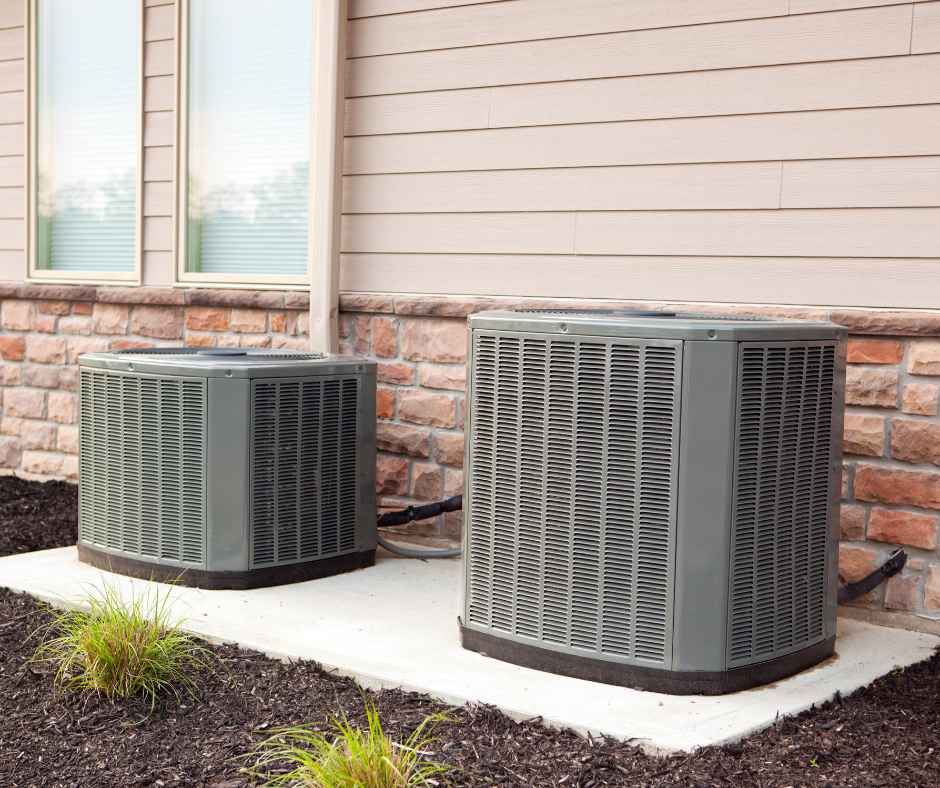
In 2026, many Kansas City homeowners can expect a central AC replacement to cost roughly $5,500 to $12,500, depending on system size, efficiency rating, ductwork condition, installation complexity, and equipment type. A basic replacement may cost less, while a high-efficiency system, ductwork upgrades, or a full HVAC replacement can raise the total. Current 2026 national replacement ranges vary by source, with common estimates spanning from about $3,000 to $14,000 depending on project scope.
Replacing your air conditioner is one of the bigger investments you can make in home comfort. For Kansas City homeowners, the decision often comes after years of repairs, rising utility bills, uneven cooling, or an AC system that cannot keep up with humid summer weather.
The hard part is knowing what a fair replacement price looks like. AC replacement costs are not one-size-fits-all. The final price depends on the size of your home, the condition of your current system, the efficiency level you choose, and whether other parts of the HVAC system need to be updated at the same time.
In this guide, we’ll break down what affects the cost of a new AC in Kansas City, when replacement makes more sense than repair, and how Polestar Plumbing, Heating & Cooling can help you choose the right system for your home.
What Is the Average Cost to Replace an AC in Kansas City?
For many Kansas City homes, a central AC replacement in 2026 may range from $5,500 to $12,500. That range typically includes the outdoor condenser, indoor coil, standard installation labor, basic materials, and startup testing.
Your cost may be lower if:
- The home needs a smaller AC system.
- The existing equipment is easy to access.
- Ductwork is in good condition.
- Electrical connections are already compatible.
- You choose a standard-efficiency system.
- No major modifications are needed.
Your cost may be higher if:
- The home needs a larger system.
- You choose higher-efficiency equipment.
- Ductwork needs repair or replacement.
- Electrical upgrades are required.
- The indoor coil or furnace connection needs changes.
- Installation access is difficult.
- You replace multiple HVAC components at once.
- Zoning, air quality, or thermostat upgrades are added.
The only way to know the true cost is to have the home evaluated. A proper estimate should be based on your home’s actual cooling needs, not just the size of the old unit.
What Factors Affect the Cost of a New AC?
Several factors can change the price of an AC replacement. Two homes in Kansas City can have similar square footage but very different installation needs.
The biggest cost factors include:
- AC size and cooling capacity
- SEER2 efficiency rating
- Brand and equipment tier
- Existing ductwork condition
- Indoor coil compatibility
- Furnace or air handler condition
- Electrical requirements
- Refrigerant line condition
- Thermostat upgrades
- Installation difficulty
- Permit or code requirements
- Home insulation and air leakage
- Add-ons such as air purifiers or dehumidifiers
A lower-priced system may seem attractive upfront, but it may not always be the best value. The right AC should be properly sized, installed correctly, and matched to your home’s comfort needs.
Why Does AC Size Matter So Much?
AC size is one of the most important parts of the replacement cost. A system that is too small may run constantly and still fail to cool the home. A system that is too large may cool too quickly, shut off too soon, and leave humidity behind.
An oversized AC can cause:
- Short cycling
- Higher energy use
- Uneven comfort
- Poor humidity control
- More wear on equipment
- Hot and cold spots
- Shorter system lifespan
An undersized AC can cause:
- Long run times
- Weak cooling
- Higher utility bills
- Poor comfort on hot days
- Extra strain on the compressor
- Difficulty reaching the thermostat setting
Kansas City summers can be hot and humid, so sizing matters. A professional load calculation helps determine the right system capacity based on the home’s square footage, insulation, windows, layout, sun exposure, and ductwork.
Is a Higher-Efficiency AC Worth the Extra Cost?
A higher-efficiency AC usually costs more upfront, but it may help reduce energy use over time. The value depends on your budget, how long you plan to stay in the home, how often you use the AC, and how inefficient your current system is.
A higher-efficiency system may be worth considering if:
- Your current AC is old and inefficient.
- Summer utility bills are high.
- You plan to stay in the home for several years.
- Your home has long cooling seasons.
- Comfort and humidity control are priorities.
- You want quieter operation.
- You want better long-term performance.
A standard-efficiency system may be a better fit if:
- You need the lowest upfront replacement cost.
- Your current ductwork needs repair first.
- You do not use the AC heavily.
- You plan to move soon.
- Your budget is the main concern.
Efficiency is important, but installation quality matters just as much. Even a high-efficiency AC can perform poorly if it is oversized, connected to leaky ducts, or installed incorrectly.
When Should Kansas City Homeowners Replace Instead of Repair?
Repair may make sense when the AC is newer, the problem is minor, and the system has been reliable. Replacement becomes a better option when repairs are expensive, frequent, or tied to an aging system.
Consider AC replacement if:
- The system is 10 to 15 years old.
- Repairs are becoming frequent.
- The compressor has failed.
- The system uses outdated refrigerant.
- Energy bills keep rising.
- Cooling is uneven throughout the home.
- The AC runs constantly.
- The home feels humid even when cooled.
- Repair costs are close to replacement value.
- You want better efficiency and reliability.
Repair may still be reasonable if:
- The AC is less than 8 years old.
- The issue is minor.
- The system is still under warranty.
- The repair cost is manageable.
- The unit has been maintained.
- Cooling performance has been consistent.
A good replacement conversation should include repair cost, system age, comfort issues, warranty status, and expected future reliability.
What Hidden Costs Can Affect AC Replacement?
Some AC replacement estimates may seem simple at first, but hidden issues can increase the final cost. These are not always add-ons. In many cases, they are necessary to make the new system operate safely and efficiently.
Possible hidden costs include:
- Duct sealing
- Duct replacement
- Electrical upgrades
- New thermostat wiring
- Condensate drain repairs
- Refrigerant line replacement
- Indoor coil modifications
- Furnace or air handler compatibility issues
- Concrete pad replacement
- Code-required updates
- Airflow corrections
- Permit requirements
- Removal of old equipment
For example, if your ductwork is leaking or undersized, a new AC may not solve comfort issues on its own. If the indoor coil is not compatible with the new outdoor unit, it may need to be replaced as part of the project.
A thorough estimate should identify these issues before installation begins.
Should You Replace the Furnace and AC at the Same Time?
Sometimes replacing both the AC and the furnace makes sense. Other times, replacing only the AC is enough. The decision depends on age, compatibility, budget, and system condition.
Replacing both may make sense if:
- The furnace is also older.
- The indoor coil needs replacement.
- The systems are mismatched.
- You want one coordinated installation.
- You want better overall efficiency.
- The furnace blower affects AC airflow.
- You want one labor visit instead of two.
- Repairs are becoming common on both systems.
Replacing only the AC may make sense if:
- The furnace is newer.
- The blower is in good condition.
- The indoor equipment is compatible.
- Heating performance is reliable.
- The budget prioritizes cooling first.
Because the AC and furnace often share airflow components, they should be evaluated together even if only the AC is being replaced.
How Can Ductwork Change the Total Price?
Ductwork can significantly impact both cost and comfort. If ducts are leaky, undersized, dirty, damaged, or poorly balanced, the new AC may not perform as expected.
Ductwork issues can cause:
- Weak airflow
- Rooms that stay too warm
- High energy bills
- Dusty indoor air
- Excess humidity
- Noisy operation
- Long run times
- Hot and cold spots
Duct repairs may add to the project cost, but they can also protect your investment. A new AC connected to bad ductwork is like putting a new engine in a car with flat tires. The equipment may be strong, but the delivery system still holds it back.
How Can Homeowners Avoid Overpaying for a New AC?
The best way to avoid overpaying is to compare value, not just price. A low quote may leave out important work. A high quote may include upgrades you do not need. The right estimate should include the equipment, the installation scope, the warranty, and any recommended improvements.
Before choosing a new AC, ask:
- Is the system properly sized for my home?
- What efficiency level is included?
- Is the indoor coil included?
- Does the estimate include removal of old equipment?
- Are ductwork repairs needed?
- Are electrical updates required?
- Is the thermostat included?
- What warranties apply?
- What comfort problems will this solve?
- Are there optional upgrades I can decline?
- What could change the final price?
A clear estimate helps you understand what you are paying for and prevents surprises later.
What AC Upgrades Should Kansas City Homeowners Consider?
AC replacement is a good time to think about comfort upgrades. Not every home needs extra equipment, but certain upgrades can improve performance, convenience, and indoor air quality.
Common upgrades include:
- Smart thermostat
- Whole-home air purifier
- Better filtration
- Whole-home dehumidifier
- Duct sealing
- Zoning controls
- Surge protection
- Condensate safety switch
- Programmable thermostat
- Improved return airflow
Kansas City humidity can make dehumidification especially helpful for some homes. If your current AC cools the house but leaves it feeling sticky, humidity control should be part of the replacement conversation.
How Long Does AC Replacement Take?
Most straightforward AC replacements can be completed in about one day. More complex projects may take longer if ductwork, electrical upgrades, changes to indoor equipment, or other modifications are needed.
The process may include:
- Removing the old outdoor unit
- Replacing or connecting the indoor coil
- Setting the new condenser
- Connecting refrigerant lines
- Updating electrical connections
- Connecting the condensate drain
- Testing airflow
- Charging the system
- Checking thermostat operation
- Verifying cooling performance
A proper startup is important. The system should be tested before the job is considered complete.
How Can You Budget for a New AC in 2026?
Replacing an AC is a major expense, so it helps to plan ahead before the system fails completely. If your unit is older, unreliable, or expensive to repair, start gathering estimates before peak summer heat.
Ways to plan for replacement include:
- Schedule an inspection before cooling season.
- Ask about repair vs. replacement options.
- Compare system efficiency levels.
- Consider financing if available.
- Budget for possible duct or electrical updates.
- Replace before an emergency breakdown.
- Maintain the current system while planning.
- Ask what upgrades are optional versus necessary.
Emergency replacement during a heat wave can limit your choices. Planning early gives you more time to compare options and choose the right system.
Know the Real Cost Before Replacing Your Kansas City AC
The true cost of a new AC in Kansas City depends on more than the outdoor unit. System size, efficiency, ductwork, electrical requirements, installation quality, indoor equipment, and home comfort goals all affect the final price.
If your AC is aging, unreliable, or expensive to repair, or if it’s struggling through Kansas City summers, Polestar Plumbing, Heating & Cooling can help. Schedule an AC replacement estimate today to compare your options, understand the full cost, and choose the right cooling system for your home.

Let Us Guide You To Home Comfort
Plumbing, heating, or cooling trouble can disrupt your day fast. Polestar offers same-day service backed by 24/7 answering, so you can get the help your home needs when problems arise.