We're Hiring — Build Your Career With Polestar →


Can Your Current Water Heater Handle Another Kansas City Summer?



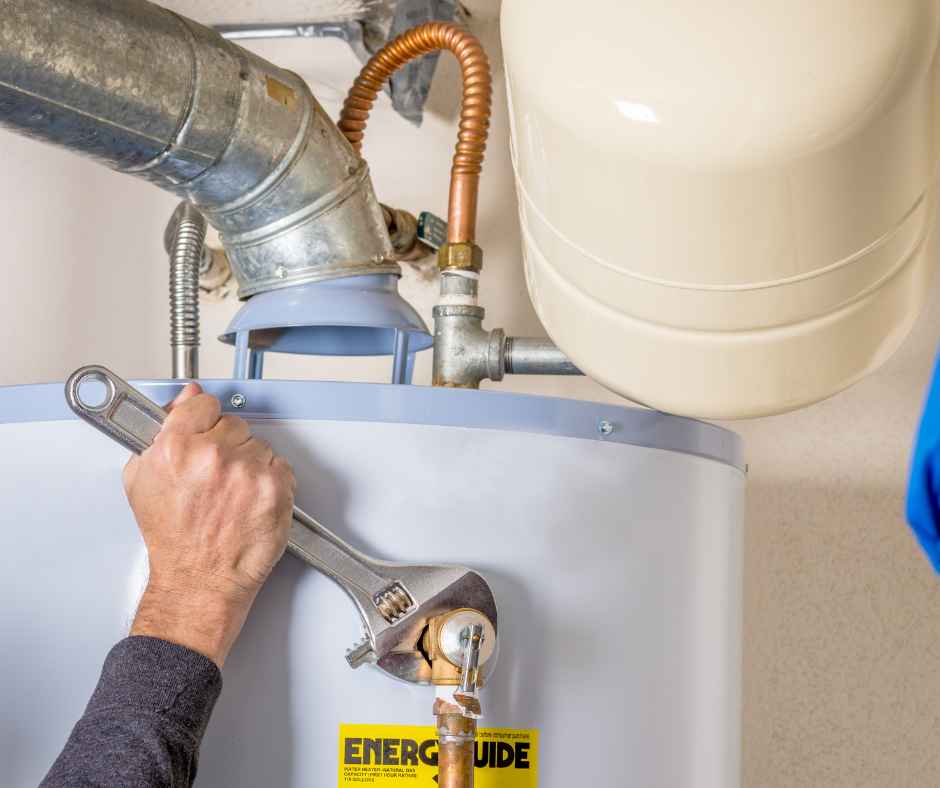
A water heater can still produce hot water while showing early signs of declining reliability. If your system takes longer to recover, runs out of hot water sooner, makes new noises, leaks, or needs repeated repairs, it may be worth having it checked before another season of heavy household use.
In this guide, you will learn how to tell whether your Kansas City water heater is ready for another summer, which symptoms may still be repairable, and when replacement becomes the more practical option. The goal is to catch developing problems before they turn into an unexpected loss of hot water or a leaking tank.
How Do You Know If Your Water Heater Is Ready for Another Summer?
A dependable water heater should provide consistent hot water, operate without unusual noises, and remain free of active leaks or significant corrosion. If it has been doing that reliably, you may not need to replace it just because another summer is approaching.
Warning signs deserve more attention when several appear together:
- Hot water runs out faster than before
- Recovery takes longer
- Water temperature fluctuates
- Popping or banging noises are increasing
- Water appears around the tank
- Rust or corrosion is visible
- Repairs are becoming more frequent
- The system no longer keeps up with household demand
Age matters, but condition and performance matter more. An older water heater that remains reliable may still have useful service life. A similar unit with leaks, corrosion, and repeated failures deserves a different conversation.
Why Is Your Hot Water Running Out Faster Than It Used To?
A noticeable drop in hot-water capacity can be one of the first signs that a water heater is no longer performing the way it once did.
Several problems can cause this, including:
- Sediment buildup
- Failed heating elements
- Burner or ignition problems
- Thermostat issues
- Increased household demand
- General equipment deterioration
Tank-style heaters can gradually lose usable capacity as sediment collects at the bottom. In electric systems, a failed heating element can also leave the tank producing some hot water while reducing the amount available.
Household use should be considered too. More people at home, frequent showers, guests, or other changes can make a previously adequate water heater feel undersized.
The important clue is a change. If the same household used to have enough hot water and now regularly runs out, you should evaluate the system.
Can Sediment Buildup Make Your Water Heater Work Harder?
Yes. Sediment can accumulate inside a tank-style water heater over time as minerals and other material settle to the bottom.
Depending on the amount of buildup and the system design, sediment can reduce usable capacity, cause noisy operation, and reduce heat transfer. That may keep the heater running longer or slow recovery compared with a cleaner tank.
Signs that sediment may be involved include:
- Popping or rumbling sounds
- Slower recovery
- Reduced hot-water capacity
- Declining performance over time
Flushing can be an important maintenance step when appropriate for the equipment and its condition. However, maintenance has limits.
Flushing cannot reverse corrosion that has already weakened the tank, and it cannot repair a tank that has begun leaking. That is why you should consider the heater’s condition before assuming a maintenance visit will solve every performance problem.
What Do Popping or Banging Sounds From Your Water Heater Mean?
Unusual sounds often concern homeowners because they can make it seem as though the water heater is about to fail immediately.
Popping, rumbling, or banging can sometimes be connected to sediment inside a tank. As water heats around accumulated material, movement and trapped bubbles may create noise.
Noise alone does not automatically mean replacement is necessary.
It becomes more meaningful when combined with other symptoms such as:
- Reduced hot-water capacity
- Slower recovery
- Leaking
- Rust
- Inconsistent temperatures
- Repeated repairs
A relatively new heater with sediment-related noise may need maintenance. An older unit that is noisy, corroded, leaking, and increasingly unreliable presents a much stronger case for replacement.
The pattern matters more than the sound by itself.
Does Water Around the Tank Mean You Need a Replacement?
Not always. The first step is identifying where the water is coming from.
Possible sources include:
- Plumbing connections
- Valves
- Drain fittings
- Nearby piping
- Condensation
- The storage tank itself
Some external leaks can be repaired. A leaking connection or valve is very different from water escaping through a deteriorated storage tank.
A tank leak is more serious because the water heater’s structural components have begun to fail. Standard component repairs cannot restore a corroded tank.
If you see water around the unit, don’t wait for the puddle to get bigger before scheduling service. Even a small leak can damage flooring, walls, storage areas, or nearby belongings.
Professional diagnosis can determine whether the source is repairable or whether replacement is the more reliable option.
Why Is Your Water Temperature Becoming Inconsistent?
Temperature problems can have several causes, and many are repairable.
Depending on the type of water heater, potential issues include:
- Thermostats
- Heating elements
- Burners
- Ignition components
- Controls
- Sediment buildup
- Declining system performance
You may notice water that never becomes fully hot, temperatures that fluctuate during use, or a system that takes much longer to recover after several showers.
A failed heating component on an otherwise healthy system may be a straightforward repair. The calculation changes when inconsistent temperatures appear alongside an aging tank, a history of repeated repairs, corrosion, or leaks.
That is why you should evaluate performance problems in the context of the entire system rather than treating them as an automatic replacement decision.
Can a Water Heater Tune-Up Improve Reliability Before Summer?
Maintenance can help identify developing problems before they become more disruptive.
Depending on the system, a professional water heater service may involve:
- Checking for leaks
- Looking for corrosion
- Evaluating heating components
- Inspecting controls
- Checking burner or ignition operation
- Addressing sediment where appropriate
- Reviewing overall performance
Maintenance doesn’t guarantee the heater will never fail. It is that small issues may be easier to address before the system loses hot water completely.
For example, a developing valve problem or a declining component may be identified during service instead of during a busy morning when the household suddenly has no hot water.
Maintenance can support reliability, but it cannot restore a tank that is already structurally deteriorated.
When Is Repair Still Worth It, and When Is Replacement Smarter?
Repair is often reasonable when the problem is isolated and the rest of the system remains in good condition.
Repair may make sense when:
- The tank is not leaking
- Corrosion is limited
- The problem involves one replaceable component
- The system has otherwise been reliable
- Hot-water capacity still meets household needs
- Repair costs remain reasonable
Replacement deserves stronger consideration when:
- The tank itself is leaking
- Corrosion is significant
- Multiple components have failed
- Repairs are becoming frequent
- Hot-water performance keeps declining
- The system can no longer meet household demand
- Reliability after another repair is questionable
The cost of the current repair matters, but so does what you are likely to get afterward.
A relatively inexpensive repair on a healthy heater can make a lot of sense. Another repair on a deteriorating unit that has already needed several service calls may simply delay replacement.
Should You Consider Tankless When It Is Time to Replace?
When replacement becomes necessary, homeowners can reconsider the type of water heater they use.
A traditional tank system may remain a good choice when you want familiar operation, stored hot-water capacity, and a replacement similar to the existing setup.
Tankless may be worth considering when:
- On-demand hot water is a priority
- Space is limited
- Long-term efficiency is important
- Household demand fits the proposed system
- Fuel or electrical capacity supports installation
Tankless is not automatically the better choice for every Kansas City home.
Installation may require changes to gas service, venting, electrical capacity, or plumbing. The equipment also needs to be sized around how many fixtures may demand hot water at the same time.
The best replacement fits the home’s infrastructure and the household’s actual hot-water habits.
What Should a Plumber Check Before You Decide?
A repair or replacement recommendation should be based on the system’s overall condition.
A plumber may evaluate:
- Tank condition
- Leak source
- Rust and corrosion
- Heating components
- Thermostats and controls
- Burner or ignition operation
- Sediment buildup
- Hot-water recovery
- Repair history
- Household demand
This helps separate an isolated repair from a broader reliability problem.
If the tank is sound and the failure is limited to one component, repair may restore dependable service. If the system has several developing problems, replacement may offer greater long-term value and reduce the risk of an unexpected failure.
Do Not Wait Until Your Water Heater Quits Completely
A water heater does not have to stop working altogether before it deserves attention. Reduced capacity, inconsistent temperatures, unusual noises, leaks, corrosion, and repeated repairs can all indicate declining reliability.
Some of these problems are still worth repairing, especially when the tank remains in good condition. Others, particularly a leaking or heavily corroded tank, can make replacement the smarter choice.
Polestar Plumbing, Heating & Cooling helps Kansas City homeowners maintain, repair, and replace traditional and tankless water heaters based on system condition and household needs. If your current water heater shows signs it may not be ready for another season of dependable service, contact us today to schedule a professional water heater evaluation.
Let Us Guide You To Home Comfort
Plumbing, heating, or cooling trouble can disrupt your day fast. Polestar offers same-day service backed by 24/7 answering, so you can get the help your home needs when problems arise.