We're Hiring — Build Your Career With Polestar →



Kansas City Winter Home Electrical Safety Checklist



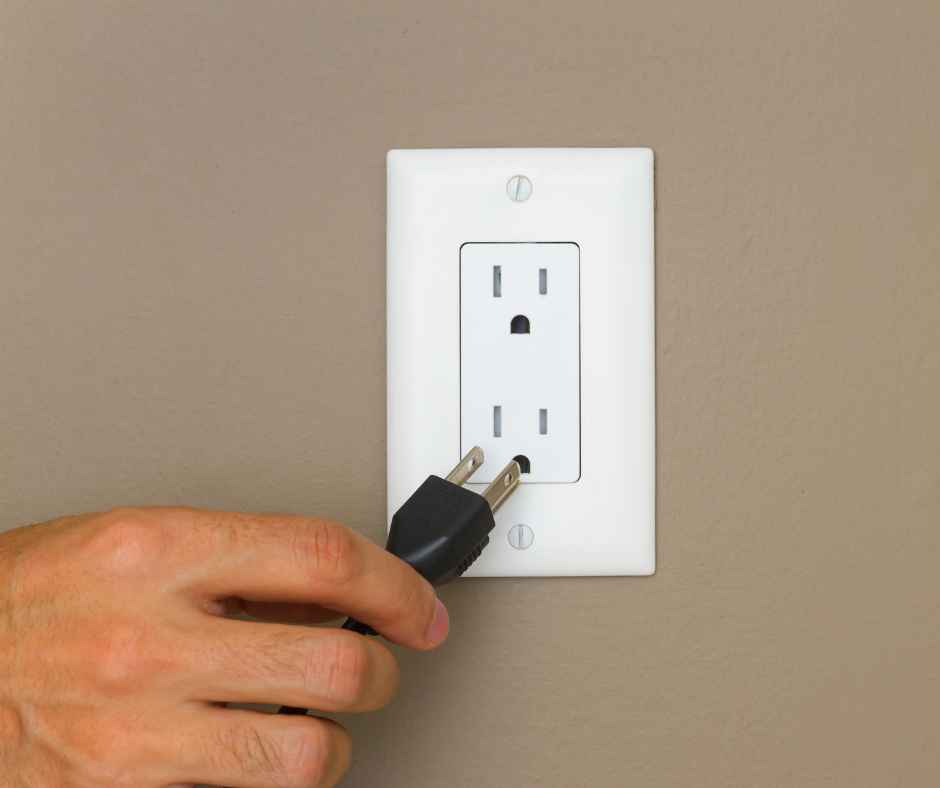
Kansas City winters bring freezing temperatures, snow, ice, and occasional severe storms that can affect your home’s electrical system. As temperatures drop, homeowners often rely more on heating equipment, supplemental space heaters, and other electrical appliances to stay warm. These seasonal changes can increase electrical demand and make existing electrical problems more noticeable.
Preparing your electrical system before winter can help reduce safety risks, prevent unexpected power interruptions, and protect important household equipment. From checking outlets and electrical panels to preparing for winter storms, a few preventative steps can make a meaningful difference.
In this guide, we’ll cover a practical Kansas City winter home electrical safety checklist, including professional inspections, space heater precautions, outdoor electrical protection, and warning signs that indicate your home may need electrical repairs or upgrades.
Why Winter Can Increase Electrical Risks in Kansas City Homes
Winter weather can create additional electrical concerns for Kansas City homeowners, especially when multiple high-demand appliances run at the same time. Electric heating systems, portable space heaters, and household appliances may place greater demands on circuits that already support everyday electrical needs.
Holiday lighting and decorations can also increase electrical use, especially when several devices share the same outlets or extension cords. Although properly designed electrical systems can accommodate normal household activity, overloaded circuits and deteriorating components may create safety concerns.
Common winter electrical hazards include:
- Overloaded circuits: Connecting too many high-demand devices to one circuit can cause overheating or repeated breaker trips.
- Damaged electrical cords: Frayed insulation and loose connections can increase fire and shock risks.
- Moisture exposure: Snow, ice, and melting water can affect outdoor outlets and electrical equipment.
- Improper heating equipment use: Portable heaters can create hazards when connected to unsuitable extension cords or placed near combustible materials.
Understanding these risks helps homeowners make safer decisions as electrical usage increases throughout the colder months.
Schedule a Professional Home Electrical Safety Inspection
A professional home electrical safety inspection is one of the most effective ways to identify potential problems before winter weather places additional demands on your electrical system.
Your home’s electrical panel distributes electricity to individual circuits, while circuit breakers help protect wiring from certain overloads and short circuits. Wiring, outlets, switches, and grounding components also play important roles in maintaining safe electrical operation.
During an inspection, a qualified electrician may evaluate:
- Electrical panel condition: Checking for corrosion, overheating, damage, or deteriorating components.
- Circuit breakers: Identifying signs of improper operation or recurring electrical problems.
- Wiring and connections: Inspecting accessible components for visible damage or unsafe conditions.
- Grounding and bonding: Evaluating important electrical safety connections.
- Outlet protection: Checking GFCI and other protective devices where applicable.
- Electrical capacity: Reviewing whether existing circuits can safely support anticipated household demands.
Inspections can be especially beneficial for older Kansas City homes, properties with previous electrical modifications, or households experiencing recurring electrical issues.
Homeowners should never remove electrical panel covers or attempt to inspect energized internal components themselves. Professional evaluation provides a safer way to identify concerns and determine whether repairs or upgrades are necessary.
Practice Safe Space Heater and Supplemental Heating Use
Portable space heaters can provide additional warmth during Kansas City’s coldest winter days, but they also require careful use.
Many electric space heaters draw substantial power, especially at higher settings. Connecting them to overloaded circuits, extension cords, or power strips can create overheating and fire hazards.
To improve space heater electrical safety, follow these precautions:
- Plug heaters directly into wall outlets: Avoid extension cords and power strips.
- Maintain proper clearance: Keep heaters at least three feet away from curtains, furniture, bedding, and other combustible materials.
- Avoid overloaded circuits: Don’t run multiple high-demand appliances on the same circuit if it could exceed capacity.
- Inspect cords and plugs: Stop using heaters with damaged cords, loose connections, or signs of overheating.
- Turn heaters off when unattended: Never leave portable heaters operating while sleeping or away from home.
Choose heaters with appropriate safety certifications and features such as automatic tip-over protection.
If a breaker repeatedly trips when a space heater is on that circuit, stop using the heater and contact a qualified electrician. Repeatedly resetting a breaker without addressing the underlying problem can allow an unsafe electrical condition to continue.
Check Outlets, Circuits, and Electrical Panel Warning Signs
Electrical problems often develop gradually, and homeowners may notice warning signs before a serious failure occurs.
Winter is a good time to watch how your electrical system responds when heating equipment, appliances, and lighting run together.
One common warning sign is a circuit breaker that trips repeatedly. Although breakers are designed to interrupt power during certain abnormal conditions, frequent trips may indicate overloaded circuits, faulty equipment, or wiring problems.
Other electrical warning signs include:
- Warm outlets or switches: Excessive heat may indicate a loose connection or other hazardous condition.
- Flickering lights: Persistent or unusual flickering can suggest problems with electrical connections or circuits.
- Buzzing sounds: Unusual noises near outlets, switches, or electrical panels may require professional attention.
- Burning odors: A burning smell near electrical equipment can indicate overheating.
- Discolored outlets: Scorch marks or discoloration may suggest previous overheating or electrical damage.
Homeowners can visually check accessible outlets and switches, but qualified professionals should always handle internal electrical repairs.
If you notice smoke, sparking, or burning odors, stop using the affected equipment and seek professional assistance immediately. Contact emergency services if there is an active fire or immediate danger.
Protect Outdoor Electrical Equipment From Winter Weather
Kansas City winters can expose outdoor electrical equipment to snow, ice, freezing rain, and moisture. These conditions make proper electrical protection particularly important for exterior outlets, lighting, and seasonal decorations.
Outdoor outlets should have weather-resistant components and protective covers suited to their location and intended use. Damaged covers or exposed connections can allow moisture to reach electrical components.
Ground-fault circuit interrupter protection is also important for outdoor electrical safety. GFCI devices help reduce shock risks by interrupting power when certain ground-fault conditions occur.
Before winter, homeowners should visually inspect accessible outdoor electrical areas for obvious damage. If you use holiday lighting, choose decorations rated for outdoor use and follow the manufacturer’s instructions for electrical connections and extension cords. Avoid running cords through standing water, beneath doors where they may become damaged, or across walkways where they create tripping hazards.
Never remove ice from energized electrical equipment or handle outlets that appear water-damaged. If outdoor electrical components show signs of deterioration or moisture intrusion, arrange a professional inspection before using them.
Prepare for Winter Power Outages and Electrical Surges
Snowstorms, freezing rain, and strong winds can damage power lines and interrupt electrical service throughout the Kansas City area.
Preparing for outages before severe weather arrives can help keep your household safer and more comfortable when electricity is unavailable.
Start by keeping flashlights, batteries, portable chargers, and essential emergency supplies within reach. Homeowners who rely on electrically powered medical equipment should also establish an appropriate backup power plan.
Whole-home surge protection may provide an additional layer of protection for appliances and electronics against certain voltage spikes associated with utility switching and power restoration.
However, surge protection cannot prevent outages or guarantee protection against every electrical event.
If you’re considering backup power, generator safety is especially important.
Always operate portable generators outdoors, at least 20 feet from the home, with exhaust directed away from windows, doors, and vents. Never operate generators inside garages, basements, or enclosed spaces because they produce dangerous carbon monoxide.
Generators must also be connected safely. Never plug a generator directly into a household outlet, as this can create dangerous electrical backfeeding.
A licensed electrician can install an appropriate transfer switch or other approved connection equipment for safely supplying selected household circuits.
Know When Your Home May Need Electrical Upgrades
Not every Kansas City home needs electrical upgrades before winter, but certain conditions may make an evaluation worthwhile.
Older electrical systems may have been designed for different household demands, particularly before modern heating equipment, electronics, and appliances became common.
If your household regularly experiences overloaded circuits, insufficient outlets, or recurring electrical problems, a professional electrician can determine whether existing equipment meets your needs.
Potential electrical improvements may include:
- Installing additional circuits for high-demand appliances.
- Replacing damaged or deteriorating wiring.
- Updating outdated electrical panels when necessary.
- Adding appropriate GFCI or AFCI protection.
- Installing whole-home surge protection.
A professional electrical load calculation can help determine whether your existing service has sufficient capacity for current or planned equipment.
Base electrical upgrades on actual system conditions and household requirements, not age alone.
Keep Your Kansas City Home Safe This Winter With Polestar
Preparing your electrical system for winter is an important part of protecting your home and maintaining reliable comfort throughout Kansas City’s colder months.
Scheduling a professional electrical inspection, practicing space heater safety, checking outlets, protecting outdoor equipment, and preparing for potential power outages can help reduce preventable electrical hazards.
While homeowners can do basic visual checks and follow safe equipment practices, qualified professionals should always perform electrical panel inspections, wiring repairs, and system upgrades.
At Polestar Plumbing, Heating, Cooling & Electric, we understand how important dependable electrical systems are during Kansas City’s winter season. Our team can help identify electrical concerns, address necessary repairs, and recommend improvements that support your home’s safety and electrical needs.
Whether you’re experiencing frequent breaker trips, considering electrical upgrades, or simply want to prepare your home for increased winter demand, professional service can help you make informed decisions.
Contact Polestar Plumbing, Heating, Cooling & Electric today to schedule an electrical inspection, repair, or upgrade and help keep your Kansas City home safe throughout winter.
Let Us Guide You To Home Comfort
Plumbing, heating, or cooling trouble can disrupt your day fast. Polestar offers same-day service backed by 24/7 answering, so you can get the help your home needs when problems arise.