We're Hiring — Build Your Career With Polestar →


How to Prevent Pipe Freezes in KC Cold Snaps



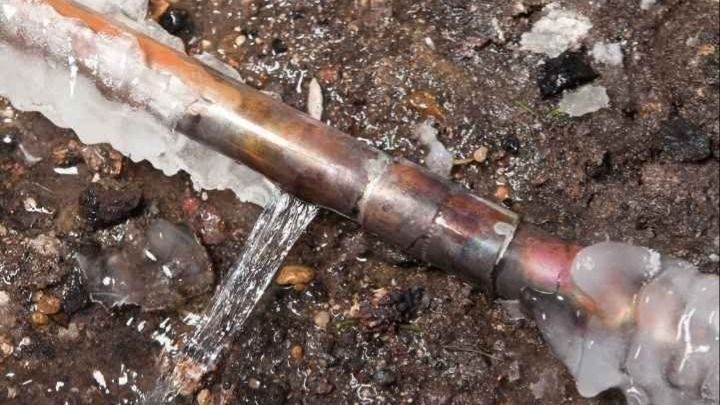
Kansas City winters can bring sudden temperature drops, freezing winds, and extended periods of bitter cold. For homeowners throughout Overland Park, Olathe, Lenexa, Shawnee, and surrounding Kansas City communities, these conditions can put household plumbing at risk. When water freezes inside pipes, it can restrict water flow, damage plumbing, and potentially cause significant water damage when temperatures rise.
Fortunately, proper preparation can prevent many frozen pipe emergencies. Insulating vulnerable plumbing, maintaining indoor heat, and knowing how to respond when temperatures drop can help protect your home throughout the winter.
In this guide, we’ll explain how to prevent frozen pipes in Kansas City, identify the most vulnerable plumbing areas, recognize warning signs, and understand what to do if your pipes freeze during a winter cold snap.
Why Do Pipes Freeze During Kansas City Cold Snaps?
Pipes freeze when the water inside them loses enough heat to reach freezing temperatures. While water freezes at 32°F, household plumbing doesn’t automatically freeze whenever outdoor temperatures reach that point.
The risk depends on several factors, including how long temperatures remain below freezing, whether pipes are insulated, and how much cold air reaches the plumbing. Pipes located inside heated living spaces are generally better protected than those exposed to outdoor temperatures or drafts.
When water freezes inside a pipe, an ice blockage can form and restrict normal flow. Pressure may then build between the blockage and a closed fixture, potentially causing the pipe to crack or rupture.
Kansas City’s winter weather can make these conditions particularly concerning because temperatures sometimes drop rapidly after relatively mild days. Strong winds can also push cold air through gaps around foundations, exterior walls, and plumbing penetrations.
Preparing exposed plumbing before a cold snap arrives is one of the most effective ways to reduce the risk of frozen pipes.
Which Pipes Are Most Likely to Freeze in Kansas City Homes?
Not every pipe in your home faces the same freezing risk. Plumbing located in unheated or poorly insulated spaces is generally more vulnerable, especially during prolonged periods of extreme cold.
Common areas to inspect before freezing temperatures include:
-
Exterior walls: Water lines inside poorly insulated walls may be exposed to colder temperatures.
-
Unheated garages: Plumbing routed through garages can experience significant temperature drops.
-
Crawl spaces: Exposed pipes may freeze when cold air enters through foundation openings or gaps.
-
Unfinished basements: Pipes near drafty windows, rim joists, or exterior openings may be vulnerable.
-
Outdoor faucets: Hose bibbs and connected supply lines can freeze when they aren’t properly winterized.
-
Under-sink cabinets: Plumbing along exterior walls may receive less warm airflow when cabinet doors remain closed.
-
Utility rooms: Pipes in spaces with limited heating may be exposed during extended cold weather.
Homes throughout Johnson County, including established neighborhoods in Leawood, Shawnee, and Overland Park, have different plumbing configurations and insulation levels. Some properties may have water lines installed in areas that receive less protection from indoor heating.
Identifying these vulnerable locations before winter weather arrives gives homeowners time to address insulation problems and reduce exposure to freezing temperatures.
How Can You Prevent Frozen Pipes Before Temperatures Drop?
Frozen pipe prevention works best when homeowners take several precautions together. No single measure guarantees that plumbing won’t freeze, but maintaining adequate heat and protecting exposed water lines can significantly reduce the risk.
Use this Kansas City winter plumbing checklist before the next cold snap:
-
Insulate exposed pipes: Install appropriate pipe insulation around vulnerable water lines in garages, crawl spaces, and unfinished basements.
-
Maintain indoor heating: Keep your home adequately heated throughout freezing conditions, including overnight.
-
Open cabinet doors: When safe, allow warm indoor air to circulate around plumbing along exterior walls.
-
Seal drafts: Address gaps around plumbing penetrations, basement windows, and other openings that allow cold air inside.
-
Disconnect garden hoses: Remove hoses and properly winterize outdoor faucets before freezing temperatures arrive.
-
Inspect garage plumbing: Identify water lines that may be exposed to cold temperatures in attached or detached garages.
-
Locate your main water shutoff valve: Make sure household members know how to stop the water supply if a pipe bursts.
-
Prepare before traveling: Maintain adequate heat and consider additional precautions when leaving your home unattended.
-
Address recurring freezing: Have previously affected pipes evaluated for insulation or plumbing configuration concerns.
Homeowners should pay particular attention to pipes that have frozen during previous winters. Repeated freezing may indicate that the plumbing needs better insulation, improved air sealing, or another protective solution.
If you’re unsure whether exposed plumbing is adequately protected, a professional plumber can help identify vulnerable areas before Kansas City’s coldest weather arrives.
Should You Leave Faucets Dripping During a Kansas City Freeze?
Leaving faucets dripping is a common recommendation during extreme cold, but homeowners should understand when this approach may help. Allowing a small amount of water to move through vulnerable plumbing can sometimes reduce freezing risk by limiting pressure buildup and maintaining water movement.
However, dripping faucets isn’t a guaranteed way to prevent frozen pipes. Its effectiveness depends on the pipe’s location, insulation, exposure, and the severity of the cold.
During particularly severe Kansas City cold snaps, homeowners may consider allowing a small, steady drip from faucets connected to vulnerable supply lines. Also consider local water utility recommendations when deciding whether this precaution is appropriate.
Ensure drains remain unobstructed and water can flow away normally. Leaving faucets running heavily wastes water and doesn’t reliably protect exposed plumbing.
For homes with pipes along exterior walls, opening under-sink cabinet doors may also help warm indoor air reach vulnerable water lines. These measures work best when combined with adequate heating, insulation, and draft prevention.
What Are the Warning Signs of Frozen Pipes?
Frozen pipes aren’t always visible right away, especially when water lines run behind walls or beneath floors. Recognizing changes in water flow can help homeowners identify a potential problem before additional damage occurs.
Common frozen pipe warning signs include:
-
Little or no water from a faucet: A frozen section may be blocking water flow to the fixture.
-
Unusually weak water pressure: Restricted flow can indicate a partial ice blockage.
-
Visible frost on exposed pipes: Frost may suggest that a pipe has reached freezing temperatures.
-
Unusual plumbing noises: Changes in water movement may produce unfamiliar sounds.
-
Water leaks during thawing: Cracks or ruptures may become apparent when ice melts and water begins flowing again.
-
One fixture losing water: A localized blockage may affect one area while other fixtures continue operating normally.
These symptoms don’t always confirm a frozen pipe. Low water pressure can also result from plumbing leaks, valve problems, or water supply issues.
If a faucet suddenly stops producing water during freezing weather, avoid repeatedly opening and closing fixtures without investigating the cause. Check accessible plumbing for visible damage, and contact a professional if you can’t safely inspect the affected pipe.
What Should You Do if Your Pipes Freeze?
Discovering a frozen pipe can be stressful, particularly when temperatures remain below freezing. Responding carefully can help reduce the risk of further damage while protecting your household.
If you suspect a frozen water pipe, follow these precautions:
-
Stop using affected fixtures: Avoid adding demand to plumbing that may be blocked.
-
Inspect accessible pipes: Look for visible frost, cracks, or leaks without disturbing damaged plumbing.
-
Locate the main shutoff valve: Be prepared to stop the water supply if a leak develops.
-
Shut off water if damage is present: If a pipe has burst or is leaking, turn off the main supply when safe.
-
Avoid open flames: Never use torches, propane heaters, or other high-temperature devices to thaw pipes.
-
Contact a professional when necessary: Seek assistance when the frozen section is inaccessible, damage is suspected, or water flow doesn’t return.
Homeowners should never thaw plumbing with an open flame or equipment that creates a fire hazard. Applying excessive heat can damage pipes and surrounding building materials, especially when plumbing is concealed inside walls.
In some situations, gentle warming of an accessible, undamaged pipe may be appropriate, but the surrounding conditions must be safe. If electrical equipment, hidden plumbing, or suspected pipe damage is involved, professional assistance is the better option.
Remember that a frozen pipe may not begin leaking until temperatures rise and the ice blockage thaws. Continue monitoring affected plumbing even after water flow returns.
How Can You Prevent Burst Pipes and Water Damage?
Preventing frozen pipes is important, but preparing for a potential plumbing emergency can also help limit water damage. A burst pipe can release significant amounts of water, especially if the problem goes unnoticed.
Homeowners throughout Kansas City should know where their main water shutoff valve is located and how to operate it. If a pipe ruptures, shutting off the water quickly can help limit additional flooding.
Additional precautions include inspecting exposed plumbing for existing leaks, addressing previously frozen pipes, and considering water leak detection equipment. Some monitoring systems can alert homeowners to unexpected water activity, while certain devices can automatically shut off the supply when they detect a potential leak.
Winter travel requires additional planning. If you’re leaving your Kansas City home during the holidays, keep indoor heat adequate and consider having a trusted person check the property during extended absences.
For homes with recurring freezing problems, professional plumbing evaluation can help identify whether insulation, air sealing, or pipe relocation may provide better long-term protection.
Protect Your Kansas City Home From Frozen Pipes With Polestar
Kansas City cold snaps can create serious plumbing challenges, but preparing before temperatures drop can help reduce the risk of frozen pipes, burst water lines, and unexpected property damage. Insulating vulnerable plumbing, maintaining indoor heat, winterizing outdoor faucets, and recognizing warning signs are important steps toward protecting your home.
At Polestar Plumbing, Heating, Cooling & Electric, we help homeowners throughout the Kansas City area, including Overland Park, Olathe, Lenexa, Shawnee, and surrounding communities, address plumbing concerns and prepare for winter weather. Whether you’ve experienced frozen pipes before or want to protect vulnerable plumbing ahead of another cold snap, identifying potential problems early can make a difference.
If you’re concerned about frozen pipes, exposed water lines, or winter plumbing problems, contact Polestar Plumbing, Heating, Cooling & Electric today. Our team can help evaluate your plumbing system and recommend appropriate repairs or preventative solutions to keep your Kansas City home better prepared for freezing temperatures.
Let Us Guide You To Home Comfort
Plumbing, heating, or cooling trouble can disrupt your day fast. Polestar offers same-day service backed by 24/7 answering, so you can get the help your home needs when problems arise.