
Choosing a new furnace for your home affects how warm your living space feels in winter. It will also have an impact on how much you spend on energy each month. The decision often comes down to gas vs. electric furnace options in Kansas City and which one makes the most sense for your home, budget, and location. In the Kansas City metropolitan area, electric and gas furnaces are both popular choices, but they tend to serve different needs. Climate conditions, energy costs, home size, and infrastructure all play a role in determining the best furnace for your Kansas City home. Here are some tips on your energy-efficient furnace options from our experts here at Polestar Plumbing, Heating & Cooling.
How Electric and Gas Furnaces Work
Electric and gas furnaces both will heat your home by warming air and distributing it through ductwork, but they generate heat in very different ways. An electric furnace uses heating elements powered by electricity. When your thermostat calls for heat, electricity flows through these elements, causing them to warm up. A blower fan then pushes air across the heated elements and circulates that warm air throughout your home. Electric furnaces will rely on simple components, which makes their operation straightforward and predictable.
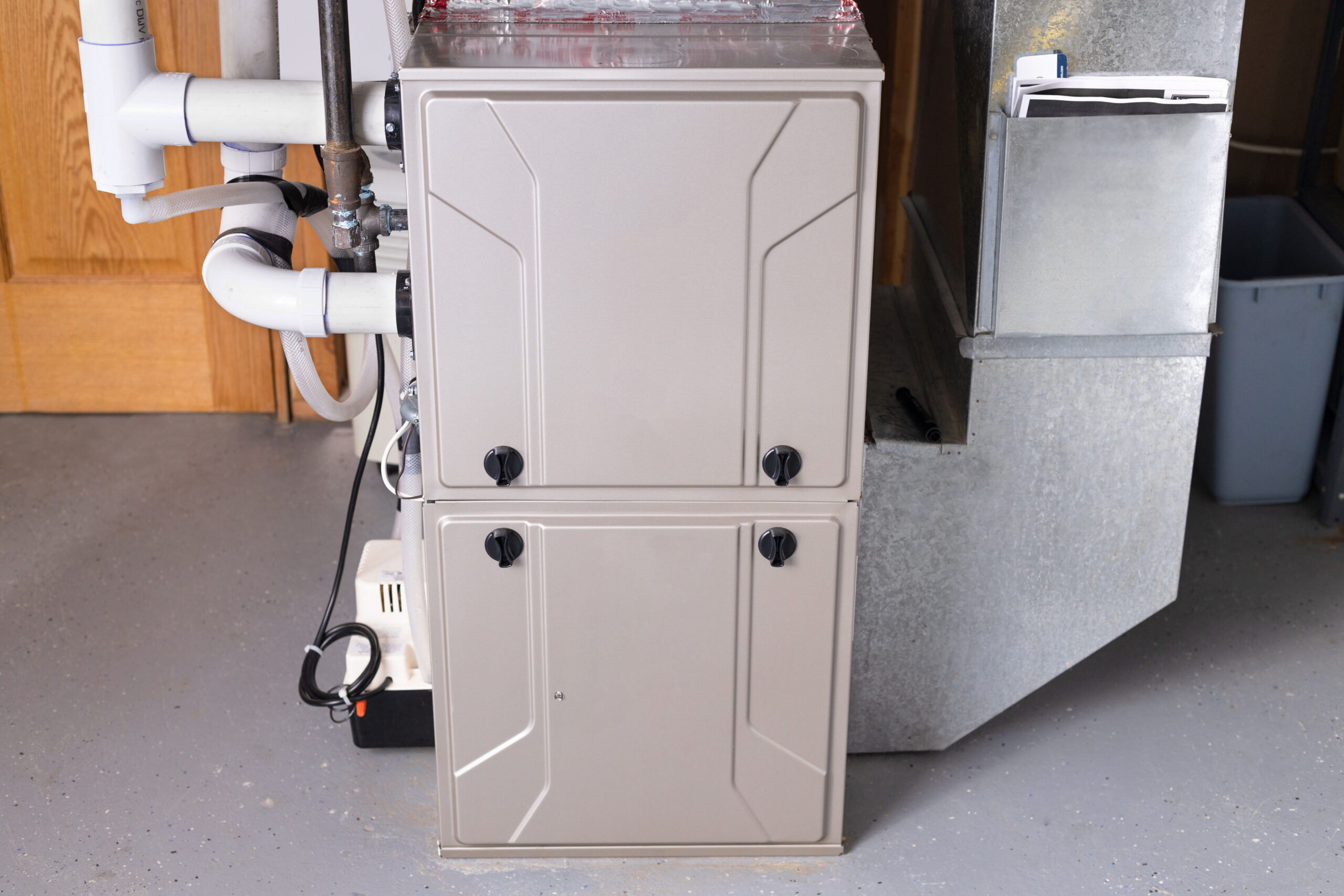
A gas furnace produces heat by burning natural gas or propane inside a sealed combustion chamber. The burner ignites the fuel, and the heat exchanger transfers that heat to the air moving through the system. The furnace then vents combustion byproducts safely outside of your home. This process creates higher heat output quickly, which you will appreciate during cold winters.
The biggest differences between electric and gas furnaces are heat intensity and response time. Gas furnaces deliver hotter air and warm homes faster, while electric furnaces provide steady, consistent heat without combustion. These differences will be noticeable when it comes to your comfort level and operating costs when temperatures drop below freezing during the winter.
Installation and Upfront Cost Considerations
Installation requirements vary quite a bit between electric and gas furnaces, which directly affects upfront costs. Electric furnaces tend to cost less to install. They don’t require gas lines, combustion venting, or flue systems. Homes with adequate electrical capacity are able to support electric furnaces with minimal modifications. This makes electric furnaces appealing for homes without natural gas service or if you are seeking a simple furnace installation in Kansas City.
Gas furnaces involve more complex installation steps. Your home must have access to a natural gas supply or a propane system. Our installers must also be able to address venting requirements, combustion air intake, and safety clearances. These added components increase labor and material costs, which explains why gas furnaces carry a higher upfront price.
When comparing a gas vs. an electric furnace in Kansas City, installation costs depend heavily on existing infrastructure. A home that’s already equipped with gas service may find gas installation more affordable than expected, while an all-electric home may benefit from avoiding gas line installation entirely. A professional evaluation from Polestar Plumbing, Heating & Cooling will help to clarify which option fits your home without surprises.
Monthly Energy Costs and Efficiency
While installation costs matter, long-term operating expenses often drive furnace decisions. Electric furnaces convert nearly all the electricity they use into heat, giving them high efficiency ratings. That said, electricity tends to cost more per unit of energy than natural gas. This means electric furnaces can cost more to operate during extended periods of cold, especially in larger homes.
Gas furnaces often deliver lower monthly heating bills because natural gas prices remain relatively stable and affordable. Modern gas furnaces are able to achieve impressive efficiency ratings, especially high-efficiency condensing models that capture additional heat from exhaust gases.
Climate plays an important role in operating costs. Kansas City experiences long heating seasons, which can favor gas furnaces due to their lower fuel costs and stronger heat output. That said, electric furnaces paired with renewable energy sources or used in smaller, well-insulated homes will be able to work efficiently. When comparing energy-efficient furnace options, consider how often your furnace runs, how well your home retains heat, and how energy prices affect your monthly budget.
Home insulation quality also plays a role in how much your furnace costs to operate. A well-sealed home with proper attic insulation allows either an electric or a gas system to run shorter cycles and maintain steady temperatures. Homes that have air leaks, aging ductwork, or poor insulation force furnaces to work harder, increasing monthly heating bills regardless of fuel type. Addressing these efficiency factors when considering a furnace selection often delivers the biggest long-term savings.
Maintenance, Lifespan, and Safety Factors
Maintenance needs differ between electric and gas furnaces, and that can influence long-term ownership costs. Electric furnaces require fewer maintenance tasks. They lack burners, gas valves, and heat exchangers, which reduces the number of components that can wear out. Routine inspections, air filter changes, and electrical checks usually keep electric systems running reliably.
Gas furnaces demand more comprehensive maintenance. Our technicians must inspect burners, ignition systems, heat exchangers, and venting components. Annual service plays an important part in maintaining efficiency and preventing safety issues. Gas furnaces also introduce combustion risks, which makes carbon monoxide detection and professional inspections essential.
In terms of lifespan, both systems tend to last between 15 and 20 years when they are properly maintained. Gas furnaces may require more frequent repairs, while electric furnaces experience fewer mechanical failures. Safety remains a key consideration. Electric furnaces eliminate combustion risks, which appeals to some homeowners. Gas furnaces, while safe when maintained, require vigilance to prevent carbon monoxide leaks. Working with trusted professionals from Polestar Plumbing Heating & Cooling helps to make sure that either system operates safely and efficiently.
Which Furnace Is Best for Different Homes
The best furnace choice depends on your home’s specific characteristics and long-term goals. Homes without access to natural gas often favor electric furnaces. Electric systems work well in smaller homes or properties where installing gas lines would add significant expense. They also pair well with heat pumps and renewable energy solutions.
Gas furnaces suit homes in colder climates where powerful heat output matters most. Larger homes and families who prioritize fast, consistent warmth often prefer gas systems. When searching for the best furnace for a Kansas City home, gas remains a strong option given local climate conditions and fuel availability.
Budget considerations also matter. You may prioritize lower upfront costs or focus more on long-term energy savings. Comfort preferences, future renovations, and resale plans all factor into the final decision. A personalized consultation with our team will ensure that your furnace choice supports both your immediate needs and future plans.
Make an Informed Decision for Long-Term Comfort
Choosing between an electric and gas furnace involves more than comparing prices. Electric furnaces offer simplicity, quiet operation, and lower maintenance requirements. Gas furnaces deliver powerful heat, lower operating costs in cold climates, and long-term value. Polestar Plumbing Heating & Cooling helps you to evaluate electric vs. gas furnace options with clarity and confidence. Our team considers your home, budget, and comfort goals to recommend the best solution for lasting warmth and efficiency.
Reach out to Polestar Plumbing, Heating & Cooling today and schedule a furnace consultation for your Kansas City home!